
How to Prevent Summer Injuries (Before They Start)
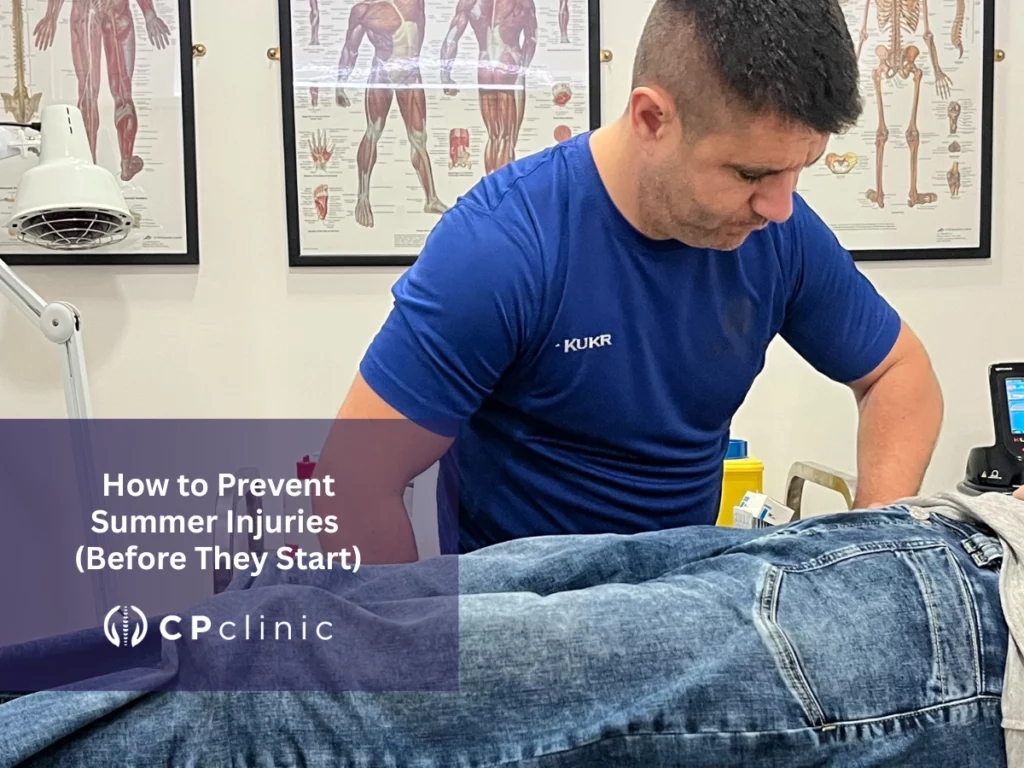
Summer naturally brings a shift in routine – more movement, more time outdoors and often a sudden increase in physical activity. Whether it’s walking, sport, travel, gardening or returning to the gym, the body is usually asked to do more than it has in previous months.
While this increase in activity is positive, it’s also one of the main reasons muscle and joint injuries become more common during summer.
Why injuries increase in summer
In many cases, it’s not one specific incident that causes injury, it’s a gradual overload.
Activity levels tend to rise quickly, often without a structured build-up. At the same time, factors like heat, fatigue and dehydration can affect muscle performance, coordination and recovery. This combination can place additional stress on muscles and joints, making them more vulnerable to strain.
Prevention starts with understanding movement
One of the most effective ways to prevent injury is to understand how your body is functioning under load.
Rather than focusing only on pain, it’s important to look at movement patterns, joint mobility, strength and control. Limitations in any of these areas can increase the likelihood of issues developing as activity levels increase.
Identifying issues early
Many injuries give early warning signs – tightness, reduced flexibility, fatigue or recurring discomfort. These are often indicators that the body is not tolerating load as well as it should.
Addressing these early can prevent them from developing into more significant problems.
Building resilience, not just recovery
Prevention isn’t about doing less, it’s about preparing the body to do more.
Improving strength, mobility and overall movement efficiency allows the body to better handle increased demands. A multidisciplinary approach that combines hands-on treatment with targeted rehabilitation can help restore balance and reduce the risk of recurring issues.
Don’t wait for pain
You don’t need to be injured to benefit from assessment or treatment. In many cases, the most effective time to address an issue is before it becomes painful.
If your activity levels are increasing this summer or you’ve noticed changes in how your body feels, taking a proactive approach can help you stay active, reduce injury risk and maintain long-term physical health.
