
Why Does My Knee Hurt Around the Kneecap?
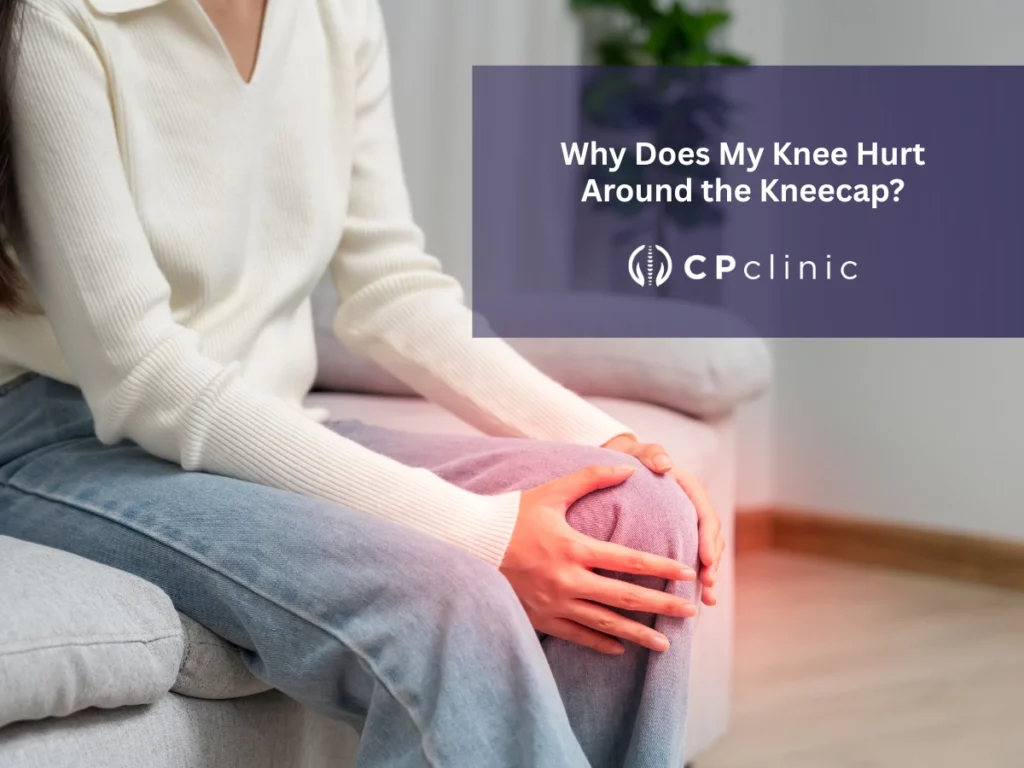
Pain around or behind your kneecap is often known as patellofemoral pain (PFP), sometimes called “runner’s knee”.
Despite the name, you don’t have to be a runner to experience it. It can affect anyone particularly during activities such as running, squatting, using stairs or returning to exercise.
What is patellofemoral pain?
Patellofemoral pain is pain around or behind the kneecap that is aggravated by activities that put load through the knee.
Common examples include:
- Going up or down stairs
- Squatting or lunging
- Running
- Cycling
- Getting up from a chair
- Sitting with your knee bent for a long time
It can develop gradually or follow a change in activity, such as increasing your gym training, starting to run, returning to sport or simply becoming more active.
Why does it happen?
There isn’t usually one single cause.
Your knee has a certain capacity to handle load. When the demands placed on it increase faster than your body has adapted, symptoms can develop. This doesn’t necessarily mean you’ve damaged your knee. It may simply mean that your knee needs time to adapt to its current workload. Strength, movement, training habits and previous injuries can also play a role.
Is it caused by weak muscles?
You may have been told that knee pain is caused by weak glutes, weak quads or poor technique. These factors can be relevant, but there isn’t one weakness or movement pattern that explains every case. Current evidence supports an individualised approach, with exercise targeting the knee and/or hip forming the foundation of rehabilitation. The right programme depends on your symptoms, your current ability and what you want to get back to doing.
Do you need to stop exercising?
Not necessarily. In many cases, the answer isn’t complete rest but adjusting your activity to a level your knee can currently tolerate. You may need to temporarily reduce your training volume, running distance, speed, hills or frequency. As your knee becomes stronger and more tolerant, these demands can gradually be increased again. The goal is to build your capacity rather than continually avoiding activity.
How is patellofemoral pain treated?
Exercise is one of the main components of rehabilitation.
Depending on your assessment, this might include exercises such as squats, step-ups, split squats, leg presses or single-leg exercises. The aim isn’t to find one “magic” exercise. It’s to choose exercises that are appropriate for you and progressively increase the challenge. Other treatments, such as taping or hands-on therapy, may sometimes be used alongside exercise to help manage symptoms. The approach should always be tailored to the individual.
When should you get your knee assessed?
Consider seeing a physiotherapist if:
- Your knee pain keeps coming back
- You’re struggling to exercise or play sport
- Stairs or everyday activities are becoming painful
- Your symptoms aren’t improving
- You’re unsure what exercises are appropriate
- You’re worried about what the pain means
A physiotherapy assessment can help identify what is contributing to your symptoms, what your knee can currently tolerate and how to progress from there.
How we approach knee pain at CP Clinic
At CP Clinic, we don’t treat every knee the same. We look at your symptoms, activity levels, strength, movement, training demands and goals to understand what may be contributing to your pain. Your rehabilitation might involve physiotherapy, strength and conditioning, exercise prescription or other appropriate treatments depending on your needs. Whether you want to return to running, get back to sport, return to the gym or simply move without pain, the aim is the same:
Build your knee’s capacity so you can get back to doing what you enjoy.
The bottom line
Pain around the kneecap is common and can affect anyone, not just runners.
It doesn’t automatically mean your knee is damaged, and you don’t necessarily need to stop being active.
Understanding your symptoms, managing your current workload and progressively building strength and capacity are key parts of recovery.
If knee pain is stopping you from doing the things you enjoy, get your knee assessed and find out what it needs.
